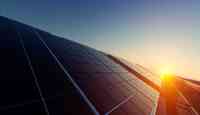
Start Your Solar Journey
Make the decision to switch to clean, sustainable energy and reduce your dependence on traditional electricity sources.
Discover how much you can save with clean energy. Perln helps you estimate costs, understand solar benefits, and take the first step toward a smarter, greener home.
A simple step-by-step roadmap to help you make informed solar decisions and maximize your long-term savings.
Make the decision to switch to clean, sustainable energy and reduce your dependence on traditional electricity sources.
Make the decision to switch to clean, sustainable energy and reduce your dependence on traditional electricity sources.
Review your electricity consumption and understand how much power your home or business requires.
Review your electricity consumption and understand how much power your home or business requires.
Explore how solar panels, inverters, net metering, and batteries work together to generate electricity.
Explore how solar panels, inverters, net metering, and batteries work together to generate electricity.
Compare system sizes, technologies, warranties, and verified vendors to find the best fit for your needs.
Compare system sizes, technologies, warranties, and verified vendors to find the best fit for your needs.
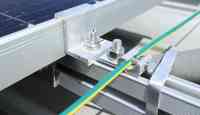
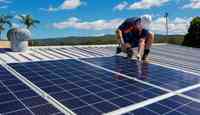
Complete site assessment, approvals, and professional installation for a safe and efficient setup.
Complete site assessment, approvals, and professional installation for a safe and efficient setup.
Generate clean energy, reduce electricity bills, and experience long-term financial and environmental benefits.
Generate clean energy, reduce electricity bills, and experience long-term financial and environmental benefits.
From enquiry to installation — we make it simple. Fill a form, get expert guidance, compare free quotes from nearby vendors, and choose the best fit for your home.
Share your basic details and property information so we can connect you with the right solar experts.
Speak with our team to understand your energy needs, roof suitability, and the best solar options for you.
Get competitive quotations from verified vendors near you — completely free, with no obligation.
Compare quotations, choose the best vendor, and let them handle the installation from start to finish.
Ready to compare quotations from trusted vendors near you? It only takes a few minutes to get started.
Get Free QuotationExplore our comprehensive library designed for homeowners, businesses, students, and solar professionals—from fundamentals and earth–sun geometry to PV technology, net metering, and system design. Whether you're starting out or deepening technical knowledge, our guides help you make informed solar decisions with confidence.
Featured Guides
Swipe or use arrows to explore topics
Estimate your ideal system size, projected savings, and payback period in minutes. Our smart calculator uses your bill, roof details, and location to deliver actionable solar insights—no technical expertise required.
Estimate savings from your current electricity consumption.
Get recommended kW capacity based on roof and usage.
See ROI timeline with subsidies and tariff assumptions.
Track CO₂ offset from your projected clean energy output.
Free · No signup required · Results in under 2 minutes
Smart Solar Calculator
Instant estimate preview
Estimated Results
Expert articles, industry updates, and practical tips to help you stay informed on solar trends, technology, and savings opportunities.
Quick answers to common solar questions. Can't find what you're looking for? Browse the full FAQ or reach out to our team.
Solar panels make electricity when the sun is shining during the day. If you have a special kind of meter called a net meter, the electricity you make from the sun can be used in your house. If you make more electricity than you use, it goes back to the power company. If it's cloudy, and you don't make enough electricity, you can still get electricity from the power company. The net meter keeps track of how much electricity goes in and out, and at the end of the month, you only pay for the extra electricity you used from the power company.
A solar PV system is a special setup that uses solar panels to turn sunlight into electricity. The solar panels catch the sunlight and change it into a kind of electricity. Then, a device called an inverter changes this special electricity into the type we use at home. The electricity can be used right away or stored in batteries for later. If there's extra electricity, it can even go back into the power grid, and the person who owns the system might get credit or money for it. These systems are renewable, clean and sustainable energy solutions. They're used in houses, businesses, and other places to power things like lights and appliances.
Most solar panels are designed to last for at least 25 to 30 years, with many manufacturers offering warranties for that period. The lifespan of solar panels can vary depending on several factors, including the quality of the materials used, the manufacturing process, and the operating conditions. Additionally, some factors such as extreme weather conditions, shading, and physical damage can affect the performance and longevity of solar panels. Proper designing of solar array and selection of components, regular maintenance, including cleaning and inspection of the panels and their components, can help extend their lifespan.
Yes, solar panels can still work in monsoon and winter, but their efficiency may be affected. During the monsoon, the cloudy and rainy weather reduces the amount of sunlight, making the panels less effective. In winter, the panels may produce a bit less electricity compared to sunny days. However, they continue to generate power, helping us even during these seasons, although it might be a bit less than during sunny days.
On a clear sunny day, a 1 kW solar system can generate around 4 to 5.5 units of electricity, especially when the sun is shining bright. Generation varies throughout the year as per amount of sun light and weather patterns.
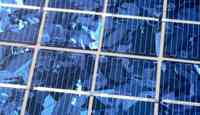
A solar panel, also known as a photovoltaic panel, is an electronic device that converts sunlight into electricity. Solar panels are made up of multiple photovoltaic cells that are connected together to form a solar module. When sunlight falls the surface of a solar panel, panels generate an electricity. This electricity is in the form of direct current (DC), which can be used to power electrical devices directly, stored in batteries for later use, or converted to alternating current (AC) to power homes and businesses.
The choice between an on-grid and off-grid solar system depends on your specific needs and circumstances. If you live in an area with reliable grid power and want to reduce your electricity bill, an on-grid solar system may be a good option for you. On the other hand, if you live in a remote area with no access to the grid or want to have backup power in case of a grid outage, an off-grid solar system may be a better choice.
Voices of leadership and vision that drive our commitment to clean energy, scientific progress, and a sustainable future for all.
1 / 3

“Our tireless scientific efforts will continue in order to develop better understanding of the universe for the welfare of entire humanity.”