Electricity bills are increasing every year across India. Whether you live in Mumbai, Pune, Thane, Navi Mumbai, Nagpur, or any other city, you may have noticed that your monthly electricity bill keeps getting higher.
Many homeowners are now asking a simple question:
"Can rooftop solar really help me save money?"
The answer is yes.
A rooftop solar system can significantly reduce your electricity bill and help you save lakhs of rupees over its lifetime.
In this guide, we will explain rooftop solar savings in simple language with real examples from India.
What is Rooftop Solar?
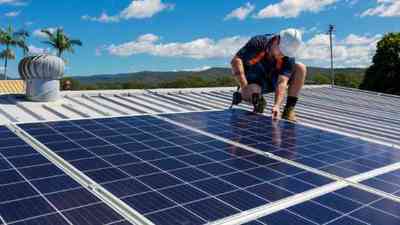
A rooftop solar system consists of solar panels installed on the roof of your home, shop, office, or building.
These panels convert sunlight into electricity that can be used to power your lights, fans, refrigerators, air conditioners, and other electrical appliances.
During the daytime, your home uses electricity generated by the solar panels instead of purchasing all the electricity from the DISCOM.
As a result, your monthly electricity bill becomes much lower.
Why Are More People Installing Solar in 2026?
There are three major reasons:
- Electricity prices are increasing every year.
- Government subsidies reduce the installation cost.
- Solar systems provide savings for 25 years or more.
For many homeowners, rooftop solar has become one of the best long-term investments.
How Much Can You Save with Rooftop Solar?
Your savings depend on:
- Monthly electricity bill
- Electricity consumption (units)
- Solar system size
- Available roof area
- Local electricity tariff
- Net metering benefits
Let's look at a few examples.
Example 1: Monthly Electricity Bill of ₹2,000
Before Solar
- Monthly Bill: ₹2,000
- Annual Bill: ₹24,000
After Solar
A properly sized solar system can reduce most of your electricity consumption.
- Monthly Bill: ₹100 to ₹300
- Annual Bill: ₹1,200 to ₹3,600
Estimated Annual Savings:
₹20,000 to ₹23,000
Estimated Lifetime Savings (25 Years):
More than ₹5 lakh
Example 2: Monthly Electricity Bill of ₹5,000
Before Solar
- Monthly Bill: ₹5,000
- Annual Bill: ₹60,000
After Solar
- Monthly Bill: ₹200 to ₹500
Estimated Annual Savings:
₹54,000 to ₹58,000
Estimated Lifetime Savings (25 Years):
More than ₹13 lakh
Example 3: Monthly Electricity Bill of ₹10,000
Before Solar
- Monthly Bill: ₹10,000
- Annual Bill: ₹1,20,000
After Solar
- Monthly Bill: ₹500 to ₹1,000
Estimated Annual Savings:
More than ₹1 lakh
Estimated Lifetime Savings (25 Years):
More than ₹25 lakh
What is Net Metering?
Net metering allows you to export excess solar electricity to the grid.
When your solar system generates more electricity than your home uses, the extra power is sent to the electricity grid.
The DISCOM records these exported units and adjusts them against future consumption.
Simple Example
Suppose your solar system generates 500 units in a month.
- You consume 350 units.
- Extra 150 units are exported to the grid.
These exported units help reduce future electricity bills.
Net metering plays a major role in maximizing solar savings.
Rooftop Solar System Cost in India (2026)
The cost of a solar system depends on equipment quality, installation type, and location.
| Solar System Size | Suitable Monthly Bill | Approximate Cost |
|---|---|---|
| 1 kW | ₹1,000 – ₹1,500 | ₹60,000 – ₹80,000 |
| 2 kW | ₹2,000 – ₹3,000 | ₹1.2 – ₹1.5 Lakh |
| 3 kW | ₹3,000 – ₹5,000 | ₹1.8 – ₹2.2 Lakh |
| 5 kW | ₹6,000 – ₹10,000 | ₹3 – ₹4 Lakh |
| 10 kW | ₹12,000+ | ₹5 – ₹7 Lakh |
Actual prices may vary based on location, mounting structure, inverter selection, and installation complexity.
Government Subsidy for Rooftop Solar
The Government of India offers financial support for eligible residential rooftop solar installations.
Benefits include:
- Lower installation cost
- Faster return on investment
- Improved affordability for homeowners
Government subsidy schemes have made rooftop solar accessible to more Indian families than ever before.
How Long Does It Take to Recover the Investment?
The time required to recover your solar investment is called the payback period.
For most residential rooftop solar systems in India, the payback period is:
4 to 7 years
Since solar panels typically last 25 years or more, homeowners continue enjoying savings long after recovering their investment.
Why Maharashtra is Ideal for Rooftop Solar
Maharashtra receives abundant sunlight throughout the year, making it an excellent state for solar power generation.
Cities such as:
- Mumbai
- Thane
- Pune
- Navi Mumbai
- Nagpur
- Nashik
- Aurangabad
- Kolhapur
have significant rooftop solar potential.
Many homeowners in these cities are already reducing their electricity bills through rooftop solar installations.
Benefits Beyond Electricity Bill Savings
Lower Monthly Bills
Generate your own electricity and reduce dependency on the grid.
Protection Against Tariff Increases
Solar helps protect you from future electricity price hikes.
Clean and Green Energy
Solar power reduces carbon emissions and supports a cleaner environment.
Increased Property Value
Homes equipped with solar systems often become more attractive to buyers.
Is Rooftop Solar Worth It in 2026?
If your monthly electricity bill is above ₹2,000, rooftop solar is generally a worthwhile investment.
You can benefit from:
- Significant electricity bill savings
- Government subsidy support
- Net metering benefits
- Protection against future tariff hikes
- 25+ years of clean energy generation
For many Indian households, rooftop solar is no longer just an environmental choice—it is also a smart financial decision.
Frequently Asked Questions
Can solar reduce my electricity bill to zero?
In some cases, yes. However, minimum fixed charges and seasonal variations may still apply.
Does solar work during the monsoon?
Yes. Solar panels continue generating electricity during cloudy weather, although generation may be lower compared to sunny days.
How long do solar panels last?
Most modern solar panels are designed to operate efficiently for 25 years or more.
Is rooftop solar worth it in Maharashtra?
Yes. Maharashtra has good solar irradiation levels and favorable conditions for rooftop solar adoption.
What size solar system do I need?
The ideal solar system size depends on your monthly electricity consumption, roof area, and future energy requirements.
Conclusion
Rooftop solar can help Indian homeowners save anywhere from thousands to lakhs of rupees over the lifetime of the system.
With government subsidies, net metering benefits, and rising electricity prices, 2026 is one of the best times to invest in rooftop solar.
The sooner you install solar, the sooner you start saving.
Related guides
Continue learning with more guides from the Solar Library.

How Commercial & Industrial Businesses Can Save Lakhs with Solar in 2026
Discover how commercial buildings, factories, warehouses, hotels, hospitals, and industrial units can reduce electricity costs with solar power. Learn about solar savings, ROI, payback period, and benefits for businesses in India.
Read guide
Net Metering in Maharashtra: Complete Guide 2026
Learn how net metering works in Maharashtra for rooftop solar systems. Understand billing, eligibility, benefits, application process, and how homeowners can reduce electricity bills.
Read guide
PM Surya Ghar Muft Yojana: Complete Guide 2026
Learn everything about PM Surya Ghar Muft Yojana 2026 including subsidy benefits, eligibility, application process, required documents, and rooftop solar savings for Indian homeowners.
Read guide