How Commercial & Industrial Businesses Can Save Lakhs with Solar in 2026
Discover how commercial buildings, factories, warehouses, hotels, hospitals, and industrial units can reduce electricity costs with solar power. Learn about solar savings, ROI, payback period, and benefits for businesses in India.
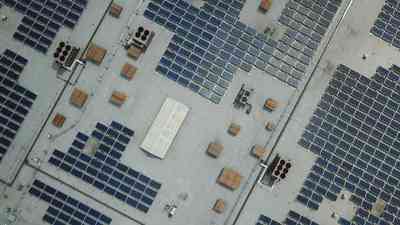
For many businesses, electricity is one of the largest operating expenses.
Whether you run a factory, warehouse, office building, hotel, hospital, shopping mall, cold storage facility, or manufacturing unit, rising electricity costs directly affect profitability.
This is why thousands of businesses across India are switching to solar power.
A commercial or industrial solar system can reduce electricity expenses by up to 70%–90%, helping businesses save lakhs or even crores of rupees over the life of the system.
In this guide, we'll explain how commercial and industrial businesses can benefit from solar energy in 2026.
Why Businesses Are Investing in Solar
Electricity tariffs for commercial and industrial consumers are generally higher than residential tariffs.
As electricity prices continue to increase, businesses are looking for ways to reduce operational costs.
Solar power helps businesses:
- Reduce monthly electricity bills.
- Improve profitability.
- Protect against future tariff increases.
- Achieve sustainability goals.
- Improve ESG performance.
Which Businesses Can Benefit from Solar?
Solar is suitable for almost any business with available roof space or land.
Commercial Segment
- Office Buildings
- Shopping Malls
- Retail Stores
- Hotels
- Hospitals
- Educational Institutions
- IT Parks
- Commercial Complexes
Industrial Segment
- Manufacturing Units
- Factories
- Warehouses
- Cold Storage Facilities
- Food Processing Units
- Textile Industries
- Chemical Industries
- Engineering Industries
How Much Can Businesses Save?
Savings depend on:
- Electricity consumption
- Electricity tariff
- Solar system size
- Location
- Operating hours
Let's look at a few examples.
Example 1: Small Commercial Building
Monthly Electricity Bill: ₹50,000
Annual Electricity Cost:
₹6,00,000
After installing a properly sized rooftop solar system:
Potential Annual Savings:
₹4 lakh to ₹5 lakh
25-Year Savings:
More than ₹1 crore
Example 2: Medium Manufacturing Unit
Monthly Electricity Bill: ₹2,00,000
Annual Electricity Cost:
₹24 lakh
With solar:
Potential Annual Savings:
₹15 lakh to ₹20 lakh
25-Year Savings:
₹3 crore to ₹5 crore
Example 3: Large Factory
Monthly Electricity Bill: ₹10 lakh
Annual Electricity Cost:
₹1.2 crore
With a large solar installation:
Potential Annual Savings:
₹80 lakh to ₹1 crore annually
25-Year Savings:
More than ₹20 crore
Understanding Solar ROI
ROI means Return on Investment.
It measures how quickly the solar system pays for itself through electricity savings.
Commercial and industrial solar projects often have:
- Higher electricity savings.
- Faster payback periods.
- Better financial returns.
Many projects achieve payback within:
3 to 5 years
After the payback period, businesses continue benefiting from low-cost electricity for decades.
Why Commercial Solar Has Better Returns Than Residential Solar
Commercial consumers generally pay higher electricity tariffs.
This means every solar unit generated offsets more expensive grid electricity.
As a result:
- Higher annual savings.
- Faster payback.
- Better long-term ROI.
Rooftop Solar vs Ground Mounted Solar
Rooftop Solar
Best for:
- Factories
- Warehouses
- Commercial Buildings
- Hospitals
- Schools
Benefits:
- Uses existing roof space.
- No additional land required.
- Lower infrastructure cost.
Ground Mounted Solar
Best for:
- Large Industries
- Industrial Parks
- Manufacturing Facilities
Benefits:
- Scalable.
- Suitable for very large capacities.
- Easy maintenance access.
Additional Financial Benefits
Accelerated Depreciation
Eligible businesses may benefit from depreciation-related tax advantages subject to prevailing tax regulations.
Reduced Operating Costs
Lower electricity expenses improve overall profitability.
Protection Against Tariff Increases
Solar helps reduce exposure to future electricity tariff hikes.
Better ESG Performance
Solar supports environmental sustainability and corporate responsibility goals.
Solar for Businesses in Maharashtra
Businesses in:
- Mumbai
- Thane
- Pune
- Navi Mumbai
- Nagpur
- Nashik
- Aurangabad
- Kolhapur
can benefit from excellent solar generation potential due to favorable sunlight conditions.
Industrial clusters across Maharashtra are increasingly adopting rooftop solar to reduce electricity costs.
Common Myths About Commercial Solar
Solar is Too Expensive
Most businesses recover their investment within a few years through electricity savings.
Solar Requires Constant Maintenance
Modern solar systems require minimal maintenance.
Solar Only Works During Summer
Solar panels generate electricity throughout the year.
Solar is Only for Large Factories
Small and medium businesses can also achieve significant savings.
Frequently Asked Questions
How much roof space is required?
The required roof area depends on the solar system capacity and panel technology.
Can solar run industrial machinery?
Yes. Properly designed systems can support a wide range of industrial loads.
What is the typical lifespan of a solar plant?
Most solar panels are designed to operate efficiently for 25 years or more.
Is solar suitable for warehouses?
Yes. Warehouses often have large unused roof areas, making them ideal for rooftop solar.
Is commercial solar worth it in 2026?
For most businesses with significant electricity consumption, solar remains one of the highest-return infrastructure investments available.
Conclusion
Commercial and industrial solar is no longer just an environmental initiative—it is a powerful business strategy.
By reducing electricity expenses, improving profitability, and providing long-term energy security, solar helps businesses become more competitive.
For companies facing rising electricity bills, investing in solar in 2026 can deliver substantial savings and strong long-term returns.
Related guides
Continue learning with more guides from the Solar Library.

How Much Can You Really Save with Rooftop Solar in 2026?
Discover how much money Indian homeowners can save with rooftop solar in 2026. Learn about solar panel costs, subsidies, net metering, payback period, and long-term savings with easy-to-understand examples.
Read guide
Net Metering in Maharashtra: Complete Guide 2026
Learn how net metering works in Maharashtra for rooftop solar systems. Understand billing, eligibility, benefits, application process, and how homeowners can reduce electricity bills.
Read guide
PM Surya Ghar Muft Yojana: Complete Guide 2026
Learn everything about PM Surya Ghar Muft Yojana 2026 including subsidy benefits, eligibility, application process, required documents, and rooftop solar savings for Indian homeowners.
Read guide