Solar PV System
A solar PV system is designed to harness sunlight and convert it into electricity. Comprising solar panels, inverters, and supporting components, these systems offer a sustainable and renewable energy source for homes, businesses, and various applications. By tapping into the power of the sun, solar PV systems contribute to cleaner energy practices, reducing reliance on conventional power sources and promoting environmental conservation.
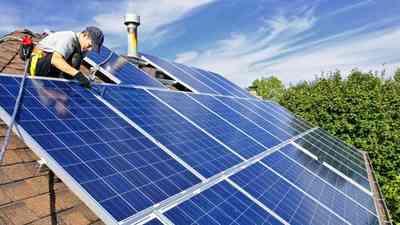
A solar PV system is a system that works on solar PV technology to generate an electricity using sunlight or solar radiations. It typically includes solar panels, an inverter, charge controller, battery, MMS and other equipments.
⚙️ How does it work?
The solar panels are typically mounted on a roof or on the ground, and they convert the sun's energy into direct current (DC) electricity. The inverter then converts the DC electricity into alternating current (AC) electricity, which can be used to power homes and businesses.
Solar PV system can be used as battery based system where generated energy can be stored in the battery and can convert this stored energy into AC energy for powering several electrical appliances.
Some solar systems can be connected to the grid, allowing excess energy to be sold back to the utility company. There are different types or applications of solar PV system which we will see in next topic.
Solar system consists of several components but most imporant are,
- Solar Panels: The solar panels are made up of solar cells that convert sunlight into DC (direct current) electricity.
- Inverter: The DC electricity from the solar panels is then sent to an inverter, which converts it into AC (alternating current) electricity, which can be used to power homes and buildings.
- Charge Controller: A charge controller is used to regulate the flow of electricity from the solar panels to the battery bank, to prevent overcharging or overloading the batteries.
- Battery Bank: Some solar PV systems include a battery bank, which stores the excess energy generated by the solar panels for use during times when there is insufficient sunlight, such as at night or on cloudy days.
- MMS (Module Mounting Structure): A module mounting structure in a solar system refers to the physical support system that holds the solar panels or modules in place.
These are some imporant components in solar PV system. In next topics, we will discuss and understand about all the components which we use in solar PV system.
Conclusion
Solar PV systems can be used for a variety of applications, including powering homes and buildings, powering remote or off-grid locations, and for use in large-scale solar power plants. They are becoming increasingly popular as a clean and renewable energy source that can help reduce dependence on fossil fuels and cut down electricity cost.
Related guides
Continue learning with more guides from the Solar Library.
Different Applications of Solar PV System
Solar PV systems, using sunlight to generate electricity, have widespread applications. From powering homes and businesses, lighting roads with street lights, solar panels offer a versatile and eco-friendly solution, making clean energy accessible across various daily activities.
Read guide
Types of Roof Top Solar PV System
A rooftop PV system involves installing solar panels on building rooftops to generate electricity. By utilizing available roof space, these systems efficiently convert sunlight into power for on-site consumption or feeding back into the grid. Rooftop PV systems empower homes and businesses to harness sustainable energy, reducing electricity bills.
Read guide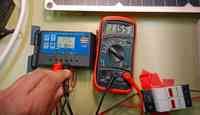
Solar Charge Controllers
Solar charge controllers are essential components in solar power systems, regulating the energy flow from solar panels to batteries. These controllers prevent overcharging and ensure optimal battery performance, extending the lifespan of solar energy storage systems. With their smart charging capabilities, solar charge controllers enhance the efficiency and reliability of off-grid and grid-tied solar installations.
Read guide